The Complete Guide to
Men's Skincare Routines
The essentials: A men's skincare routine needs just 3 steps to start -- cleanser, moisturiser, SPF. Layer in actives like Vitamin C (AM) and Retinol (PM) once consistent. Always match products to your skin type. Wash your face after the gym, not before.
The 3-Step Basic Skincare Routine for Men
If you do nothing else for your skin, do these three things: cleanse, moisturise, and protect. That is it. Three products, under four minutes, morning and night. Everything else builds on this foundation.
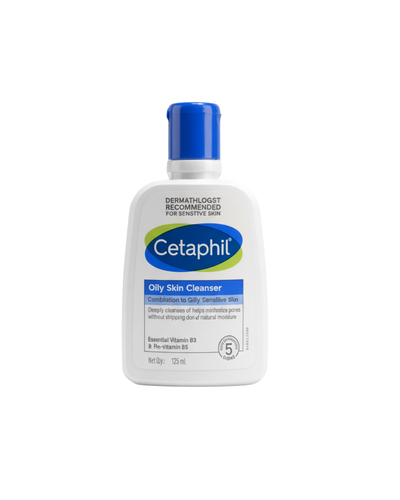
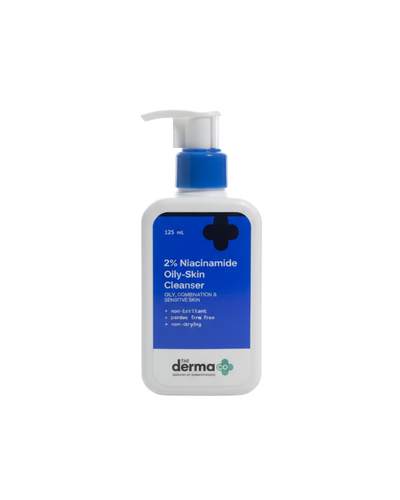
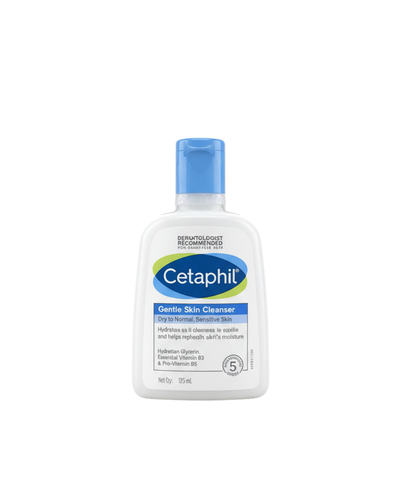
Cleanser
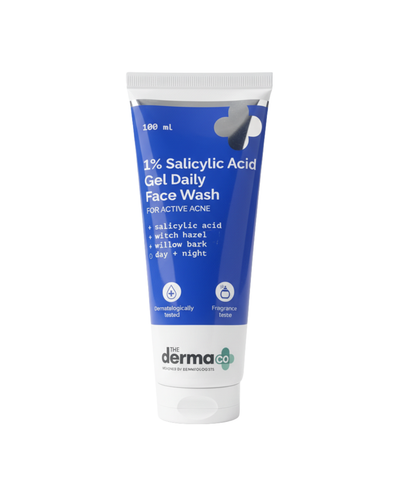
Removes oil, dirt, and bacteria without stripping your moisture barrier. Morning and night.
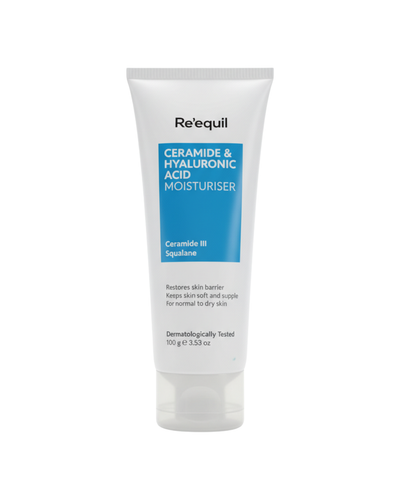
Moisturiser
Hydrates skin, strengthens the barrier, and reduces dryness from shaving or environment.
SPF (AM only)
Prevents UV-driven ageing, dark spots, and uneven tone. The highest-ROI product you can use.
Serums, exfoliants, and eye creams all sit on top of this core. You will never benefit from the extras if the basics are not locked in first.
Note: Shaving counts as physical exfoliation. If you shave regularly, hold off on adding a separate scrub until you understand how your skin responds.
Still unsure which cleanser to pick or how thick your moisturiser should be?
Read: What is the 3-step basic skincare routine for men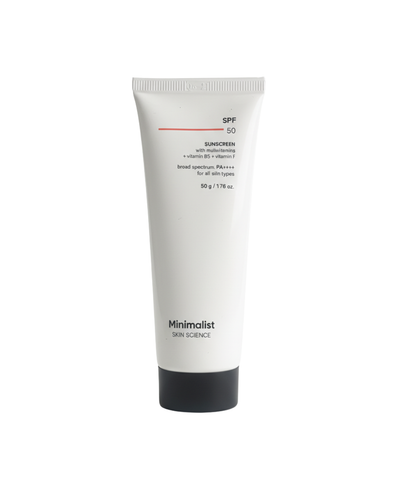
Effective Everyday Skincare Routine for Beginners
The hard part is not knowing the products -- it is building the habit. Most men start strong and fall off within a week because the routine is too complicated. Here is what a sustainable daily routine actually looks like.
| Time | Step | Product | Why |
|---|---|---|---|
| Morning | 1. Cleanse | Gentle face wash | Removes sweat and overnight oil |
| 2. Moisturise | Lightweight gel or cream | Hydrates and preps skin | |
| 3. Protect | SPF 30-50 | Blocks UV damage all day | |
| Night | 1. Cleanse | Same cleanser or oil cleanser | Removes pollution and sunscreen |
| 2. Treat | Niacinamide or Retinol serum | Targets concerns while you sleep | |
| 3. Moisturise | Slightly richer night cream | Skin repairs overnight |
Habit trick: anchor skincare to something you already do. Clean your face immediately after brushing your teeth. Keep your moisturiser next to your deodorant. Environment design beats willpower every time.
We break down exactly how long each step takes (under 4 minutes total) and which products work best for complete beginners.
Read: Effective Everyday Skincare Routine for BeginnersSkincare for the Gym: Before, During and After
If you train regularly, your skin faces a unique challenge. Sweat, heat, friction from equipment, and fluctuating oil levels all interact with whatever you have put on your face. Getting the timing wrong leads to breakouts, irritation, and clogged pores.
Before the Gym
Remove sunscreen and excess oil with a gentle rinse or light cleanse. Products sitting on skin create a sealed environment where sweat mixes with product, clogging pores and breeding bacteria. Go in with a clean face.
After the Gym
This is your proper cleanse. Sweat left on skin breeds bacteria and triggers breakouts within hours. Cleanse within 15-20 minutes of finishing. Follow with moisturiser and SPF if it is daytime.
Training twice a day? Dial back to a gentle rinse for the second session. Over-cleansing damages your skin barrier and makes oiliness worse, not better.
Post-workout breakouts, the best lightweight products to reapply, and what to do if you train morning and evening.
Read: Should I Wash My Face Before or After the Gym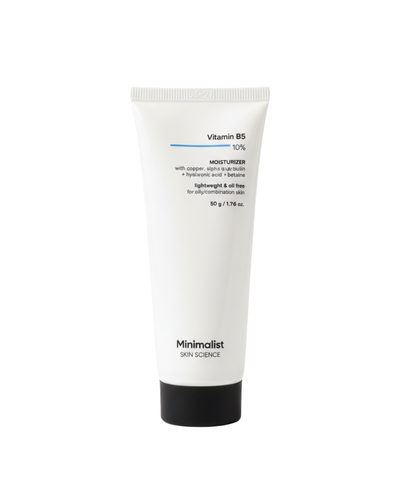
Personalised Routines by Skin Type
No two men's skin is the same. Until you know your skin type, you are guessing -- and the wrong products can make things significantly worse. Here is a quick-reference breakdown.
Oily Skin
Signs: Shiny by midday, large pores, prone to blackheads.
Use: Gel or foam cleanser, oil-free moisturiser, matte-finish SPF. Avoid heavy creams.
Dry Skin
Signs: Tight or flaky after washing, dull appearance.
Use: Cream cleanser, rich moisturiser with hyaluronic acid or ceramides.
Combination Skin
Signs: Oily T-zone but dry or normal cheeks.
Use: Balanced gel cleanser, lightweight moisturiser, apply products by zone.
Sensitive Skin
Signs: Redness, stinging, or reaction to new products.
Use: Fragrance-free everything. Minimal actives. Always patch-test first.
Quickest way to find your skin type: wash your face, apply nothing, and check after 30 minutes. Shiny zones are oily. Tight zones are dry. That map tells you everything.
Take our 2-minute skin quiz and get a custom product sequence matched to your exact skin.
Read: How to Create a Personalised Skin RoutineHow to Layer Vitamin C and Retinol for Beginners
Once the basics are locked in for 4-6 weeks, it is time to upgrade. Vitamin C and Retinol are the two most evidence-backed actives in skincare -- but most beginners use them in a way that causes unnecessary irritation.
Vitamin C -- Morning
Protects against UV-triggered damage, brightens dark spots, and boosts collagen. Apply after cleansing, before moisturiser. Look for L-Ascorbic Acid at 10-20%.
Retinol -- Night
Accelerates cell turnover, reduces fine lines, and unclogs pores. Start at 0.025-0.1% and build gradually. Always use SPF the next morning.
The rule: never apply both at the same time. Not because they cancel out -- that is a myth -- but because stacking two actives increases irritation risk for beginners.
AM -- Cleanser
Start with a clean canvas. Vitamin C absorbs poorly over residue.
AM -- Vitamin C Serum
Apply 3-4 drops to damp skin. Wait 60-90 seconds to absorb before next step.
AM -- Moisturiser then SPF
Lock it in. Vitamin C degrades quickly without sun protection.
PM -- Double Cleanse
Remove sunscreen fully before applying Retinol -- residue weakens its efficacy.
PM -- Retinol on dry skin
Apply to completely dry skin. Start 2 nights per week and build up slowly.
PM -- Barrier Moisturiser
A ceramide-rich moisturiser prevents Retinol-related dryness. This is the sandwich method.
Which percentage to start at, how to handle the Retinol purge, and what to do if you get irritation.
Read: How to Layer Vitamin C and Retinol for Beginners