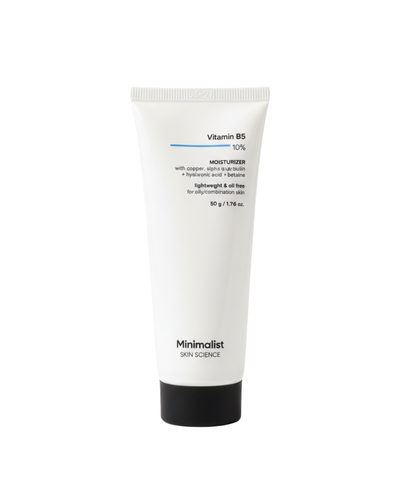
The Complete Guide to
Sunscreen for Men
The essentials: Use SPF 50 broad spectrum every morning -- non-negotiable. Choose non-comedogenic formulas so it does not clog pores. Reapply every 2 hours outdoors. For bikers and outdoor athletes, a sweat-resistant formula is essential. Already tanned? Exfoliate, use Vitamin C, and stay consistent with SPF.
What is the Best Sunscreen for Men?
Most men skip sunscreen because every formula they have tried leaves them looking greasy, white-cast, or breaking out. The problem is not sunscreen -- it is using the wrong type. Men's skin is oilier, thicker, and more prone to clogged pores than women's, which means a formula designed for general use will almost always feel wrong on a man's face.
The best sunscreen for men ticks four boxes: SPF 50 or higher, broad spectrum (PA+++), non-comedogenic, and lightweight enough to wear daily without feeling like a mask.
| Feature | What it means | Why it matters for men |
|---|---|---|
| SPF 50+ | Blocks ~98% of UVB rays | Prevents sunburn and long-term skin damage |
| PA+++ or higher | Broad UVA protection | Prevents tanning, dark spots, and ageing |
| Non-comedogenic | Will not clog pores | Prevents sunscreen-induced breakouts |
| Matte finish | Absorbs excess oil | No greasy shine by midday |
| Lightweight gel or fluid | Thin, fast-absorbing texture | Comfortable for daily wear |
How much to apply: Most men apply too little -- which cuts protection significantly. Use two finger-lengths of product for face and neck. It sounds like a lot, but it is the clinically tested amount for full SPF protection.
Not all sunscreens are equal -- especially for men who ride or train outdoors. The texture and sweat-resistance requirements are completely different.
Read: Best Sunscreen for Men Who Ride Bikes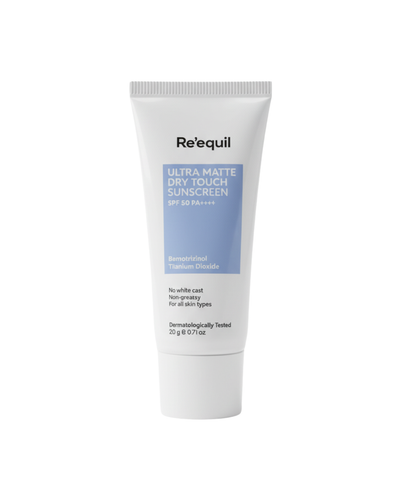
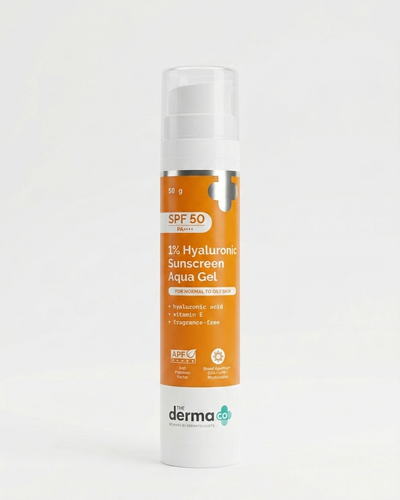
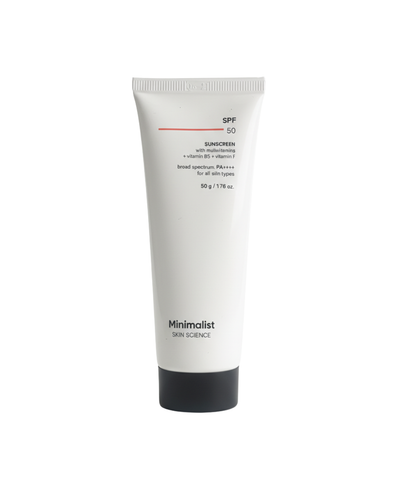
Best Sunscreen for Men Who Ride Bikes
Riding exposes your skin to compounded UV damage -- direct sun, wind, and heat all at once. A standard daily sunscreen fails fast on a bike. It rubs off under a helmet, mixes with sweat, and starts breaking down within 30 minutes of riding. If you ride regularly and are not using a sweat-resistant, matte formula, you are getting almost no protection.
Regular Sunscreen
- Breaks down quickly under sweat
- Slips under helmet padding
- Greasy finish causes visor fog
- Not formulated for extended outdoor exposure
Sport / Biker Sunscreen
- Sweat and water resistant up to 80 min
- Matte or dry-touch finish
- Stays in place under helmet padding
- Non-greasy -- no visor smearing
For bikers, apply sunscreen 20 minutes before riding -- not as you are putting on your helmet. This allows the formula to fully bind to your skin. Reapply at fuel stops or every two hours on long rides. Pay special attention to the back of the neck, forearms, and the lower face below your helmet line.
Helmet tip: The gap between your helmet and collar gets intense, concentrated sun exposure. Most bikers neglect this strip of skin entirely. Apply extra SPF here and consider a neck gaiter with UPF protection for long rides.
Everything bikers need to know -- from application timing to the best formulas that will not smear your visor or clog your pores.
Read: Best Sunscreen for Men Who Ride BikesHow to Remove Tan for Men Naturally at Home
A tan is your skin's response to UV damage -- melanin production accelerates to absorb and neutralise UV radiation. The darker colour is literally your skin trying to protect itself. Removing it means accelerating the natural cell turnover process that sheds those melanin-rich skin cells and replacing them with fresh, even-toned ones.
There is no overnight fix. But with the right approach -- consistent exfoliation, targeted brightening ingredients, and strict SPF -- visible improvement happens within four to eight weeks.
Natural Approach
- Exfoliate 2-3 times per week with a gentle scrub or AHA
- Apply raw aloe vera gel to affected areas daily
- Use Vitamin C serum every morning
- Drink adequate water -- hydration affects skin cell turnover
- Consistent SPF to prevent further darkening
Accelerated Approach
- Chemical exfoliant with Glycolic or Lactic Acid
- Niacinamide serum to inhibit melanin transfer
- Vitamin C at 15-20% concentration
- Alpha Arbutin for targeted dark spot reduction
- SPF 50 PA++++ every morning without fail
The most important step: You cannot remove a tan while continuing to build one. SPF every single morning is not optional during tan removal -- it is the foundation the entire process depends on.
Natural home remedies ranked by effectiveness, a week-by-week timeline, and the ingredient stack that actually works for men.
Read: How to Remove Tan for Men Naturally at Home
Broad Spectrum vs Normal SPF: What is the Difference?
SPF -- Sun Protection Factor -- only measures protection against UVB rays, which cause sunburn. But UVB is just one type of UV radiation. UVA rays penetrate deeper into the skin, cause DNA damage, accelerate ageing, and drive tanning and dark spots. A product labelled SPF 50 with no broad spectrum claim gives you virtually no protection against UVA.
The PA rating system -- used widely in Asia -- measures UVA protection. PA+ to PA++++, with PA++++ offering the highest UVA protection available. For men in India with significant sun exposure, a minimum of PA+++ is recommended. PA++++ is ideal for outdoor athletes, bikers, and anyone spending extended time outdoors.
Bottom line: Always look for both SPF 50+ AND PA+++ or higher on the label. SPF alone without a PA rating means you are unprotected against the rays that cause tanning and premature ageing.
A full breakdown of chemical vs mineral filters, what PA ratings actually mean, and how to read a sunscreen label in under two minutes.
Read: Broad Spectrum vs Normal SPF -- What is the DifferenceWhy You Need a Non-Comedogenic Moisturiser with SPF 50
Combining moisturiser and SPF into one product saves time and removes one step from your morning routine -- which means you are more likely to actually do it. But not all SPF moisturisers are created equal. Many use heavy, occlusive ingredients that feel great on dry skin but cause breakouts on oily or combination skin.
Non-comedogenic means the formula has been tested and confirmed not to block pores. For men -- whose skin produces significantly more sebum -- this is not optional. A comedogenic SPF moisturiser applied daily will cause breakouts within two to four weeks, especially around the nose, forehead, and chin.
Ingredients to Avoid
- Coconut oil -- highly comedogenic
- Isopropyl myristate -- clogs pores
- Lanolin -- heavy and pore-blocking
- Mineral oil -- occlusive for oily skin
- Synthetic fragrance -- irritating and comedogenic
Ingredients to Look For
- Zinc Oxide -- non-comedogenic mineral filter
- Hyaluronic acid -- lightweight hydration
- Niacinamide -- controls oil and minimises pores
- Dimethicone -- smooth finish without clogging
- Glycerin -- effective hydration, non-comedogenic
The best non-comedogenic SPF moisturisers for every skin type, ingredient breakdowns, and how to tell if your current SPF is causing your breakouts.
Read: Why You Need a Non-Comedogenic Moisturiser with SPF 50How Salicylic Acid Clears Pores Clogged by Sweat and Sunscreen
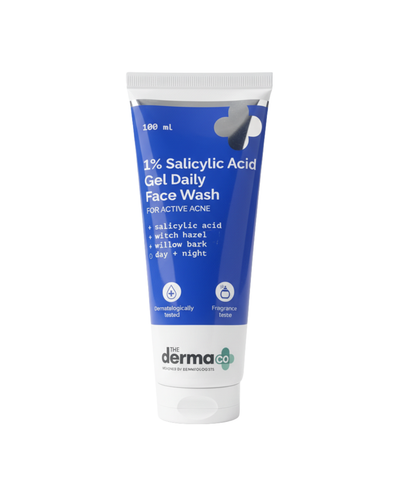
Sweat and sunscreen are both necessary -- but together they create one of the most common causes of male facial breakouts. Sweat opens pores, sunscreen sits on the surface, and when the two mix under heat, the result is a perfect environment for clogged pores, blackheads, and acne. Salicylic Acid is the only ingredient that directly addresses this problem.
Unlike physical scrubs that work on the surface, Salicylic Acid is oil-soluble -- it penetrates into the pore itself and dissolves the sebum and dead skin cell buildup from the inside. It is also anti-inflammatory, which means it reduces redness alongside clearing the blockage.
| Concentration | Best for | How to use |
|---|---|---|
| 0.5% | Daily maintenance, sensitive skin | Use every day in cleanser or toner |
| 1% | Oily skin, regular breakouts | Daily in serum or toner form |
| 2% | Acne-prone, post-gym breakouts | 2-3 times per week or spot treatment |
| Above 2% | Stubborn blackheads and cysts | Weekly leave-on treatment only |
For men who use sunscreen daily and train regularly, a Salicylic Acid cleanser at 1-2% used three to four times a week is the most effective preventive measure against sweat and sunscreen-related breakouts. Use it at night -- after the day's SPF and sweat accumulation -- rather than in the morning before applying more SPF.
How to build Salicylic Acid into your existing routine without over-exfoliating, the best formulations for men, and how long before you see results.
Read: How Salicylic Acid Clears Pores Clogged by Sweat and Sunscreen